Blog

127 posts in this category

subnetting-ip-allocation
Blog

How Subnetting Impacts IP Allocation  

Subnetting is a key concept in the field of IP network management. Understanding the way subnetting impacts IP allocation is helpful for optimising network performance. It is also helpful for improving network security. Simplified Network Management Managing a large network is quite daunting. But subnetting changes this situation. It makes the management of large networks more manageable. The way it does this is by dividing the large network. TheRead more Related Posts Why IPv4 scarcity drives economic value for operators Finite IPv4 supply, persistent demand, and slow IPv6 transition are turning IP addresses into tradable assets shaping telecom economics globally. IPv4 Read more What Determines IPv4 Pricing in Today’s Market? Scarcity, shifting demand, and leasing platforms such as i.lease are reshaping how IPv4 addresses are valued and traded globally.IPv4 pricing is driven Read more The future of IPv4 markets Despite IPv6 expansion, scarcity keeps IPv4 valuable, sustaining a global secondary market where addresses increasingly function as tradable digital assets.Finite Read more .related-post {} .related-post .post-list { text-align: left; } .related-post .post-list .item { margin: 5px; padding: 10px; } .related-post .headline { font-size: 18px !important; color: #999999 !important; } .related-post .post-list .item .post_thumb { max-height: 220px; margin: 10px 0px; padding: 0px; display: block; } .related-post .post-list .item .post_title { font-size: 16px; color: #3f3f3f; margin: 10px 0px; padding: 0px; display: block; text-decoration: none; } .related-post .post-list .item .post_excerpt { font-size: 13px; color: #3f3f3f; margin: 10px 0px; padding: 0px; display: block; text-decoration: none; } @media only screen and (min-width: 1024px) { .related-post .post-list .item { width: 30%; } } @media only screen and (min-width: 768px) and (max-width: 1023px) { .related-post .post-list .item { width: 90%; } } @media only screen and (min-width: 0px) and (max-width: 767px) { .related-post .post-list .item { width: 90%; } }
Read more →
IP-Allocation
Blog

How DHCP manages IP allocation automatically   

DHCP uses a four-step process (Discover, Offer, Request, Acknowledge) to lease IPs automatically from a pool.   It supports dynamic, automatic, and manual (reserved) allocation to avoid address conflicts and ease network management. What is DHCP and why it matters The service called Dynamic Host Configuration Protocol (DHCP) automatically assigns the IP addresses and other network information to devices.  Without the DHCP, network have to manually configure the every deviceRead more Related Posts Why IPv4 scarcity drives economic value for operators Finite IPv4 supply, persistent demand, and slow IPv6 transition are turning IP addresses into tradable assets shaping telecom economics globally. IPv4 Read more What Determines IPv4 Pricing in Today’s Market? Scarcity, shifting demand, and leasing platforms such as i.lease are reshaping how IPv4 addresses are valued and traded globally.IPv4 pricing is driven Read more The future of IPv4 markets Despite IPv6 expansion, scarcity keeps IPv4 valuable, sustaining a global secondary market where addresses increasingly function as tradable digital assets.Finite Read more .related-post {} .related-post .post-list { text-align: left; } .related-post .post-list .item { margin: 5px; padding: 10px; } .related-post .headline { font-size: 18px !important; color: #999999 !important; } .related-post .post-list .item .post_thumb { max-height: 220px; margin: 10px 0px; padding: 0px; display: block; } .related-post .post-list .item .post_title { font-size: 16px; color: #3f3f3f; margin: 10px 0px; padding: 0px; display: block; text-decoration: none; } .related-post .post-list .item .post_excerpt { font-size: 13px; color: #3f3f3f; margin: 10px 0px; padding: 0px; display: block; text-decoration: none; } @media only screen and (min-width: 1024px) { .related-post .post-list .item { width: 30%; } } @media only screen and (min-width: 768px) and (max-width: 1023px) { .related-post .post-list .item { width: 90%; } } @media only screen and (min-width: 0px) and (max-width: 767px) { .related-post .post-list .item { width: 90%; } }
Read more →
ipv4-shortage
Blog

The Impact of IPv4 Shortage on IP Allocation 

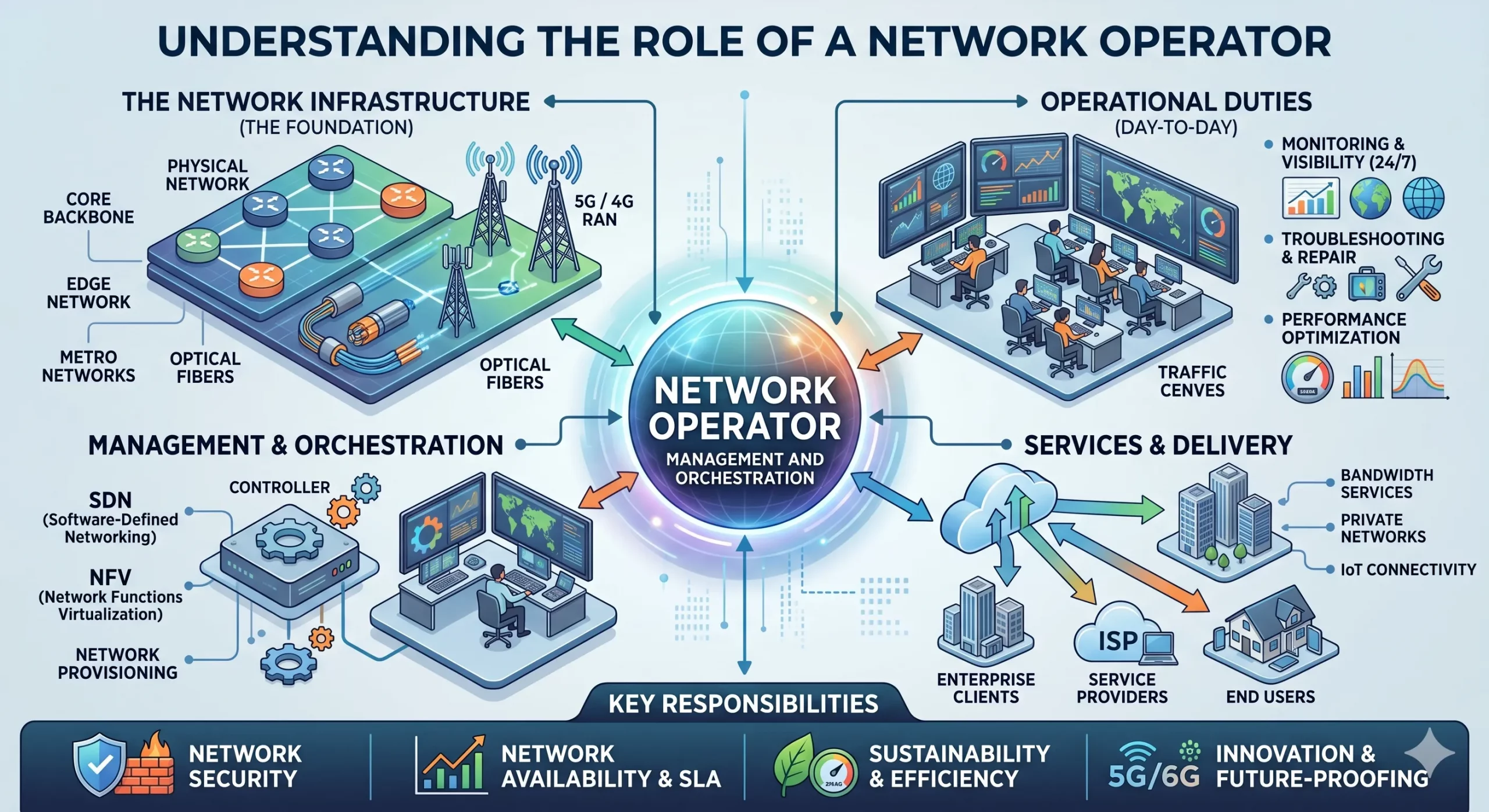
The Global IPv4 Shortage and Its Far-Reaching Effects The Internet uses numbers called Internet Protocol addresses. Each device needs one number. A computer needs one. A phone needs one. A server needs one. A sensor needs one. These numbers allow devices to send and get data. The system most networks still use is called Internet Protocol version 4. People call it IPv4. It was created many years ago whenRead more Related Posts Why IPv4 scarcity drives economic value for operators Finite IPv4 supply, persistent demand, and slow IPv6 transition are turning IP addresses into tradable assets shaping telecom economics globally. IPv4 Read more What Determines IPv4 Pricing in Today’s Market? Scarcity, shifting demand, and leasing platforms such as i.lease are reshaping how IPv4 addresses are valued and traded globally.IPv4 pricing is driven Read more The future of IPv4 markets Despite IPv6 expansion, scarcity keeps IPv4 valuable, sustaining a global secondary market where addresses increasingly function as tradable digital assets.Finite Read more .related-post {} .related-post .post-list { text-align: left; } .related-post .post-list .item { margin: 5px; padding: 10px; } .related-post .headline { font-size: 18px !important; color: #999999 !important; } .related-post .post-list .item .post_thumb { max-height: 220px; margin: 10px 0px; padding: 0px; display: block; } .related-post .post-list .item .post_title { font-size: 16px; color: #3f3f3f; margin: 10px 0px; padding: 0px; display: block; text-decoration: none; } .related-post .post-list .item .post_excerpt { font-size: 13px; color: #3f3f3f; margin: 10px 0px; padding: 0px; display: block; text-decoration: none; } @media only screen and (min-width: 1024px) { .related-post .post-list .item { width: 30%; } } @media only screen and (min-width: 768px) and (max-width: 1023px) { .related-post .post-list .item { width: 90%; } } @media only screen and (min-width: 0px) and (max-width: 767px) { .related-post .post-list .item { width: 90%; } }
Read more →
IP Allocation Best Practices for Enterprises
Blog

IP Allocation Best Practices for Enterprises

An essential yet commonly disregarded, crucial component that influences network security and efficient operation is a well-designed IP allocation scheme. Scalable growth now calls for the implementation of methodologies like variable-length subnet masking (VLSM) and IPv6 integration planning. Laying the groundwork with a logical hierarchy IP address allocation is a more fundamental element that the typically occurs just like an afterthought in the grand architecture of an enterprise network,Read more Related Posts Why IPv4 scarcity drives economic value for operators Finite IPv4 supply, persistent demand, and slow IPv6 transition are turning IP addresses into tradable assets shaping telecom economics globally. IPv4 Read more What Determines IPv4 Pricing in Today’s Market? Scarcity, shifting demand, and leasing platforms such as i.lease are reshaping how IPv4 addresses are valued and traded globally.IPv4 pricing is driven Read more The future of IPv4 markets Despite IPv6 expansion, scarcity keeps IPv4 valuable, sustaining a global secondary market where addresses increasingly function as tradable digital assets.Finite Read more .related-post {} .related-post .post-list { text-align: left; } .related-post .post-list .item { margin: 5px; padding: 10px; } .related-post .headline { font-size: 18px !important; color: #999999 !important; } .related-post .post-list .item .post_thumb { max-height: 220px; margin: 10px 0px; padding: 0px; display: block; } .related-post .post-list .item .post_title { font-size: 16px; color: #3f3f3f; margin: 10px 0px; padding: 0px; display: block; text-decoration: none; } .related-post .post-list .item .post_excerpt { font-size: 13px; color: #3f3f3f; margin: 10px 0px; padding: 0px; display: block; text-decoration: none; } @media only screen and (min-width: 1024px) { .related-post .post-list .item { width: 30%; } } @media only screen and (min-width: 768px) and (max-width: 1023px) { .related-post .post-list .item { width: 90%; } } @media only screen and (min-width: 0px) and (max-width: 767px) { .related-post .post-list .item { width: 90%; } }

Read more →
network-management
Blog

Why Subnetting Is Important for Network Management   

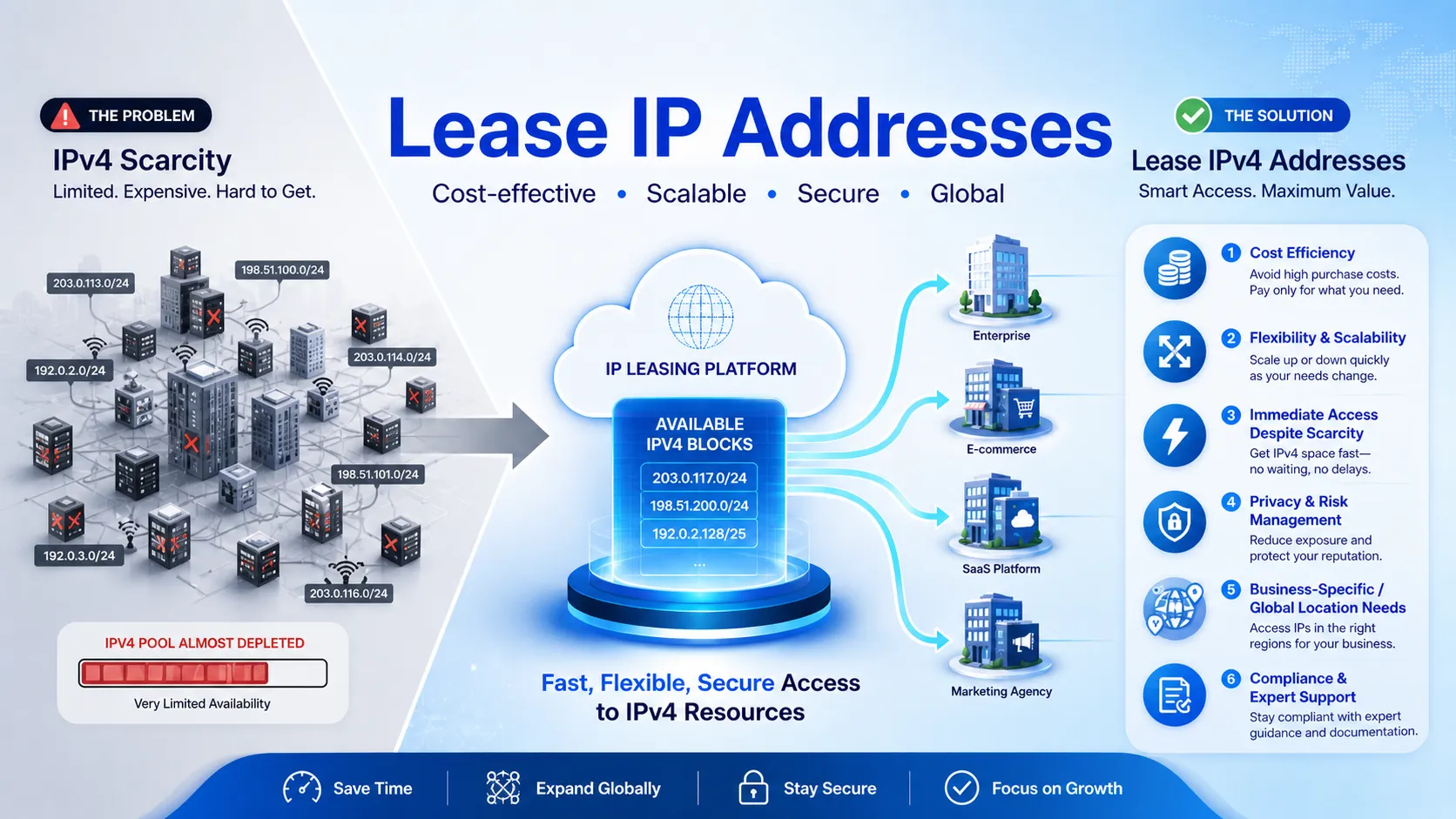
The Role of Subnetting in Modern Networks    Subnetting means splitting a large IP network into smaller parts. It is very important for network management. It lets administrators give IP addresses carefully. This reduces waste and stops conflicts. Subnetting also helps organise networks in a clear way. Today, many devices connect to networks. Without subnets, networks can become messy. Subnetting makes networks easier to control.   Subnetting started when theRead more Related Posts Why IPv4 scarcity drives economic value for operators Finite IPv4 supply, persistent demand, and slow IPv6 transition are turning IP addresses into tradable assets shaping telecom economics globally. IPv4 Read more What Determines IPv4 Pricing in Today’s Market? Scarcity, shifting demand, and leasing platforms such as i.lease are reshaping how IPv4 addresses are valued and traded globally.IPv4 pricing is driven Read more The future of IPv4 markets Despite IPv6 expansion, scarcity keeps IPv4 valuable, sustaining a global secondary market where addresses increasingly function as tradable digital assets.Finite Read more .related-post {} .related-post .post-list { text-align: left; } .related-post .post-list .item { margin: 5px; padding: 10px; } .related-post .headline { font-size: 18px !important; color: #999999 !important; } .related-post .post-list .item .post_thumb { max-height: 220px; margin: 10px 0px; padding: 0px; display: block; } .related-post .post-list .item .post_title { font-size: 16px; color: #3f3f3f; margin: 10px 0px; padding: 0px; display: block; text-decoration: none; } .related-post .post-list .item .post_excerpt { font-size: 13px; color: #3f3f3f; margin: 10px 0px; padding: 0px; display: block; text-decoration: none; } @media only screen and (min-width: 1024px) { .related-post .post-list .item { width: 30%; } } @media only screen and (min-width: 768px) and (max-width: 1023px) { .related-post .post-list .item { width: 90%; } } @media only screen and (min-width: 0px) and (max-width: 767px) { .related-post .post-list .item { width: 90%; } }
Read more →
What Happens When Your IP Allocation Runs Out
Blog

What Happens When Your IP Allocation Runs Out

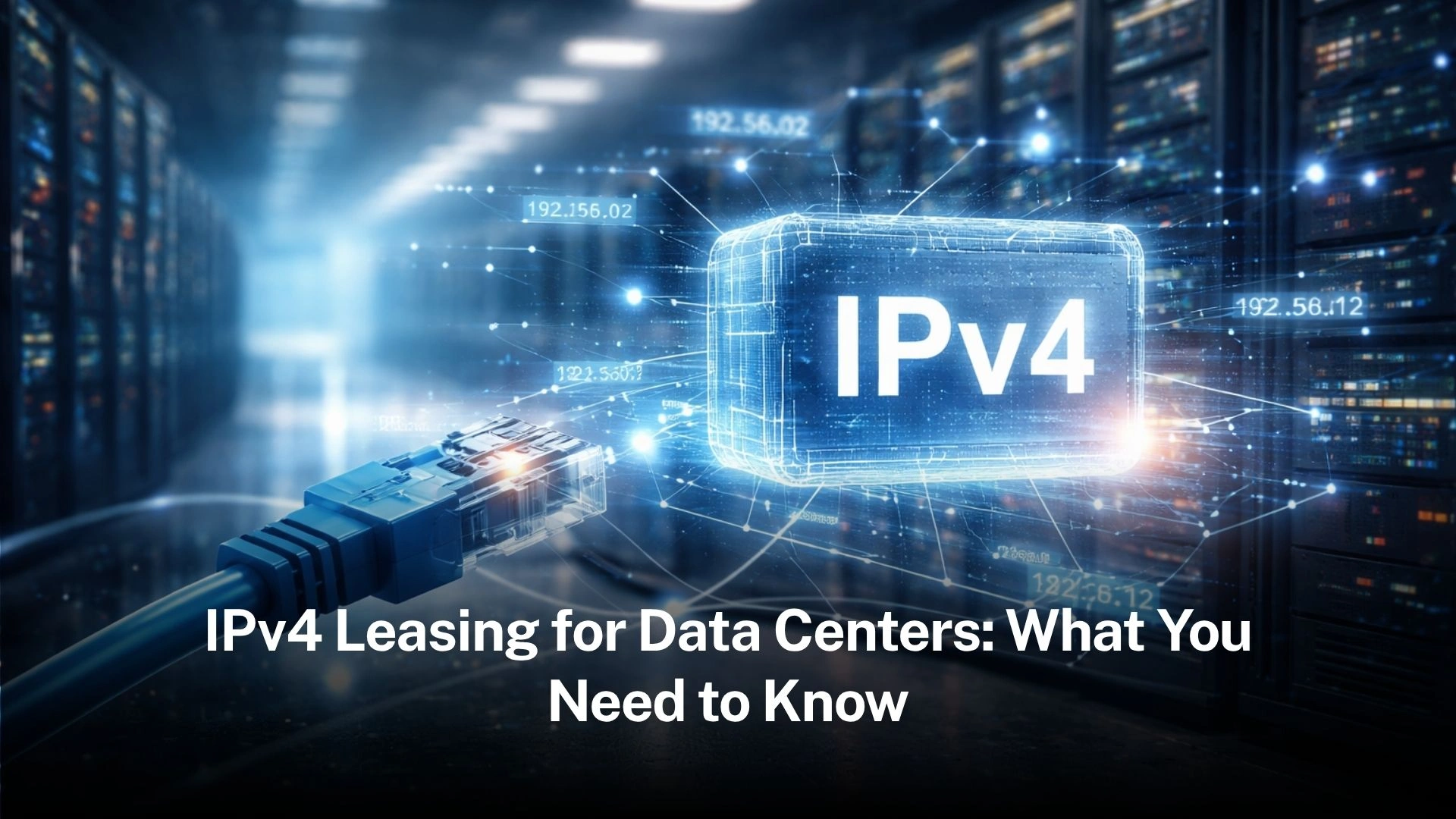
An allocation can run out for many reasons. The most obvious is growth. As a business adds customers or devices, the number of addresses needed keeps rising. What seemed like a large block a few years ago may look very small once demand doubles or triples. Cloud services, streaming platforms, and mobile apps all consume huge amounts of space, and growth in these areas pushes companies past their limits.Read more Related Posts Why IPv4 scarcity drives economic value for operators Finite IPv4 supply, persistent demand, and slow IPv6 transition are turning IP addresses into tradable assets shaping telecom economics globally. IPv4 Read more What Determines IPv4 Pricing in Today’s Market? Scarcity, shifting demand, and leasing platforms such as i.lease are reshaping how IPv4 addresses are valued and traded globally.IPv4 pricing is driven Read more The future of IPv4 markets Despite IPv6 expansion, scarcity keeps IPv4 valuable, sustaining a global secondary market where addresses increasingly function as tradable digital assets.Finite Read more .related-post {} .related-post .post-list { text-align: left; } .related-post .post-list .item { margin: 5px; padding: 10px; } .related-post .headline { font-size: 18px !important; color: #999999 !important; } .related-post .post-list .item .post_thumb { max-height: 220px; margin: 10px 0px; padding: 0px; display: block; } .related-post .post-list .item .post_title { font-size: 16px; color: #3f3f3f; margin: 10px 0px; padding: 0px; display: block; text-decoration: none; } .related-post .post-list .item .post_excerpt { font-size: 13px; color: #3f3f3f; margin: 10px 0px; padding: 0px; display: block; text-decoration: none; } @media only screen and (min-width: 1024px) { .related-post .post-list .item { width: 30%; } } @media only screen and (min-width: 768px) and (max-width: 1023px) { .related-post .post-list .item { width: 90%; } } @media only screen and (min-width: 0px) and (max-width: 767px) { .related-post .post-list .item { width: 90%; } }
Read more →
difference-between-rir-ip-brokers-ipv4-transfer
Blog

The Difference Between RIRs and IP Brokers in IPv4 Transfers

• RIRs regulate IPv4 transfers under strict regional policies; brokers mediate and streamline transactions. • IP leasing services like i.lease offer flexible, rapid access without full ownership transfers. Introduction The looming exhaustion of IPv4 addresses has turned these resources into highly traded assets. Two main pathways for organisations to acquire IPv4 space are via Regional Internet Registries (RIRs) or third-party IP brokers. An emerging alternative, i.lease, offers leasing ratherRead more Related Posts Why IPv4 scarcity drives economic value for operators Finite IPv4 supply, persistent demand, and slow IPv6 transition are turning IP addresses into tradable assets shaping telecom economics globally. IPv4 Read more What Determines IPv4 Pricing in Today’s Market? Scarcity, shifting demand, and leasing platforms such as i.lease are reshaping how IPv4 addresses are valued and traded globally.IPv4 pricing is driven Read more The future of IPv4 markets Despite IPv6 expansion, scarcity keeps IPv4 valuable, sustaining a global secondary market where addresses increasingly function as tradable digital assets.Finite Read more .related-post {} .related-post .post-list { text-align: left; } .related-post .post-list .item { margin: 5px; padding: 10px; } .related-post .headline { font-size: 18px !important; color: #999999 !important; } .related-post .post-list .item .post_thumb { max-height: 220px; margin: 10px 0px; padding: 0px; display: block; } .related-post .post-list .item .post_title { font-size: 16px; color: #3f3f3f; margin: 10px 0px; padding: 0px; display: block; text-decoration: none; } .related-post .post-list .item .post_excerpt { font-size: 13px; color: #3f3f3f; margin: 10px 0px; padding: 0px; display: block; text-decoration: none; } @media only screen and (min-width: 1024px) { .related-post .post-list .item { width: 30%; } } @media only screen and (min-width: 768px) and (max-width: 1023px) { .related-post .post-list .item { width: 90%; } } @media only screen and (min-width: 0px) and (max-width: 767px) { .related-post .post-list .item { width: 90%; } }
Read more →
ip-broker
Blog

How to evaluate an IP broker’s track record

1. Understand the role of an IP address broker An IP address broker acts as the main intermediary between IP holders and potential buyers, lessees, or investors. Their role is to connect organizations that need IPv4 or IPv6 addresses with those that have unused resources, ensuring a smooth and compliant transfer.   Their role includes: Their responsibilities include: Related Posts Why IPv4 scarcity drives economic value for operators FiniteRead more Related Posts Why IPv4 scarcity drives economic value for operators Finite IPv4 supply, persistent demand, and slow IPv6 transition are turning IP addresses into tradable assets shaping telecom economics globally. IPv4 Read more What Determines IPv4 Pricing in Today’s Market? Scarcity, shifting demand, and leasing platforms such as i.lease are reshaping how IPv4 addresses are valued and traded globally.IPv4 pricing is driven Read more The future of IPv4 markets Despite IPv6 expansion, scarcity keeps IPv4 valuable, sustaining a global secondary market where addresses increasingly function as tradable digital assets.Finite Read more .related-post {} .related-post .post-list { text-align: left; } .related-post .post-list .item { margin: 5px; padding: 10px; } .related-post .headline { font-size: 18px !important; color: #999999 !important; } .related-post .post-list .item .post_thumb { max-height: 220px; margin: 10px 0px; padding: 0px; display: block; } .related-post .post-list .item .post_title { font-size: 16px; color: #3f3f3f; margin: 10px 0px; padding: 0px; display: block; text-decoration: none; } .related-post .post-list .item .post_excerpt { font-size: 13px; color: #3f3f3f; margin: 10px 0px; padding: 0px; display: block; text-decoration: none; } @media only screen and (min-width: 1024px) { .related-post .post-list .item { width: 30%; } } @media only screen and (min-width: 768px) and (max-width: 1023px) { .related-post .post-list .item { width: 90%; } } @media only screen and (min-width: 0px) and (max-width: 767px) { .related-post .post-list .item { width: 90%; } }
Read more →
ip-broker
Blog

How an IP broker simplifies the process of buying IP addresses 

Get IP addresses has become an increasingly difficult endeavour in the digital world of today, especially when IPv4 addresses are running low. Industries looking for opportunities to expand their network infrastructure constantly must negotiate an intricate framework of legal, regulatory, and technological challenges.   As a way to expedite the acquisition process, IP brokers act as intermediary firms in that scenario. Their knowledge and assistance are crucial in makingRead more Related Posts Why IPv4 scarcity drives economic value for operators Finite IPv4 supply, persistent demand, and slow IPv6 transition are turning IP addresses into tradable assets shaping telecom economics globally. IPv4 Read more What Determines IPv4 Pricing in Today’s Market? Scarcity, shifting demand, and leasing platforms such as i.lease are reshaping how IPv4 addresses are valued and traded globally.IPv4 pricing is driven Read more The future of IPv4 markets Despite IPv6 expansion, scarcity keeps IPv4 valuable, sustaining a global secondary market where addresses increasingly function as tradable digital assets.Finite Read more .related-post {} .related-post .post-list { text-align: left; } .related-post .post-list .item { margin: 5px; padding: 10px; } .related-post .headline { font-size: 18px !important; color: #999999 !important; } .related-post .post-list .item .post_thumb { max-height: 220px; margin: 10px 0px; padding: 0px; display: block; } .related-post .post-list .item .post_title { font-size: 16px; color: #3f3f3f; margin: 10px 0px; padding: 0px; display: block; text-decoration: none; } .related-post .post-list .item .post_excerpt { font-size: 13px; color: #3f3f3f; margin: 10px 0px; padding: 0px; display: block; text-decoration: none; } @media only screen and (min-width: 1024px) { .related-post .post-list .item { width: 30%; } } @media only screen and (min-width: 768px) and (max-width: 1023px) { .related-post .post-list .item { width: 90%; } } @media only screen and (min-width: 0px) and (max-width: 767px) { .related-post .post-list .item { width: 90%; } }
Read more →
ipv4-shortage
Blog

How the IPv4 Shortage is Reshaping the Internet

As RIRs tighten control over IPv4 transfers, the market is shifting. Brokers simplify compliance, while leasing solutions like i.lease offer an agile alternative to traditional ownership. Introduction The looming exhaustion of IPv4 addresses has turned these resources into highly traded assets. Two main pathways for organisations to acquire IPv4 space are via Regional Internet Registries (RIRs) or third-party IP brokers. An emerging alternative, i.lease, offers leasing rather than fullRead more Related Posts Why IPv4 scarcity drives economic value for operators Finite IPv4 supply, persistent demand, and slow IPv6 transition are turning IP addresses into tradable assets shaping telecom economics globally. IPv4 Read more What Determines IPv4 Pricing in Today’s Market? Scarcity, shifting demand, and leasing platforms such as i.lease are reshaping how IPv4 addresses are valued and traded globally.IPv4 pricing is driven Read more The future of IPv4 markets Despite IPv6 expansion, scarcity keeps IPv4 valuable, sustaining a global secondary market where addresses increasingly function as tradable digital assets.Finite Read more .related-post {} .related-post .post-list { text-align: left; } .related-post .post-list .item { margin: 5px; padding: 10px; } .related-post .headline { font-size: 18px !important; color: #999999 !important; } .related-post .post-list .item .post_thumb { max-height: 220px; margin: 10px 0px; padding: 0px; display: block; } .related-post .post-list .item .post_title { font-size: 16px; color: #3f3f3f; margin: 10px 0px; padding: 0px; display: block; text-decoration: none; } .related-post .post-list .item .post_excerpt { font-size: 13px; color: #3f3f3f; margin: 10px 0px; padding: 0px; display: block; text-decoration: none; } @media only screen and (min-width: 1024px) { .related-post .post-list .item { width: 30%; } } @media only screen and (min-width: 768px) and (max-width: 1023px) { .related-post .post-list .item { width: 90%; } } @media only screen and (min-width: 0px) and (max-width: 767px) { .related-post .post-list .item { width: 90%; } }
Read more →
ipv4-shortage-1
Blog

How the IPv4 shortage has reshaped RIR allocation policies 

RIRs transitioned to strict “soft‑landing” policies and limited final allocations to prevent hoarding and extend IPv4 availability. Transfer markets, wait‑lists, and equitable distribution mechanisms now dominate scarcity-era policy landscapes. The impact of IPv4 exhaustion on RIR policy   The depletion of IPv4 address space prompted all Regional Internet Registries (RIRs) to overhaul their allocation strategies. When the final five /8 blocks were delivered by IANA in 2011, RIRs shifted fromRead more Related Posts Why IPv4 scarcity drives economic value for operators Finite IPv4 supply, persistent demand, and slow IPv6 transition are turning IP addresses into tradable assets shaping telecom economics globally. IPv4 Read more What Determines IPv4 Pricing in Today’s Market? Scarcity, shifting demand, and leasing platforms such as i.lease are reshaping how IPv4 addresses are valued and traded globally.IPv4 pricing is driven Read more The future of IPv4 markets Despite IPv6 expansion, scarcity keeps IPv4 valuable, sustaining a global secondary market where addresses increasingly function as tradable digital assets.Finite Read more .related-post {} .related-post .post-list { text-align: left; } .related-post .post-list .item { margin: 5px; padding: 10px; } .related-post .headline { font-size: 18px !important; color: #999999 !important; } .related-post .post-list .item .post_thumb { max-height: 220px; margin: 10px 0px; padding: 0px; display: block; } .related-post .post-list .item .post_title { font-size: 16px; color: #3f3f3f; margin: 10px 0px; padding: 0px; display: block; text-decoration: none; } .related-post .post-list .item .post_excerpt { font-size: 13px; color: #3f3f3f; margin: 10px 0px; padding: 0px; display: block; text-decoration: none; } @media only screen and (min-width: 1024px) { .related-post .post-list .item { width: 30%; } } @media only screen and (min-width: 768px) and (max-width: 1023px) { .related-post .post-list .item { width: 90%; } } @media only screen and (min-width: 0px) and (max-width: 767px) { .related-post .post-list .item { width: 90%; } }

Read more →
ip-allocation-best-practice
Blog

IPv6 address allocation: what you need to know 

How IPv6 addresses are assigned IPv6 addresses are assigned by a global system. When requesting IPv6 space, an organisation requests information about its network, technology requirements, as well as long-term goals. Typical regional policies demand that one present a deployment plan within a timeframe, efficient use of the allocated space in the event allocated space exists, and appropriate use of routing, aggregation, and documentation policies. What organisations get  InternetRead more Related Posts Why IPv4 scarcity drives economic value for operators Finite IPv4 supply, persistent demand, and slow IPv6 transition are turning IP addresses into tradable assets shaping telecom economics globally. IPv4 Read more What Determines IPv4 Pricing in Today’s Market? Scarcity, shifting demand, and leasing platforms such as i.lease are reshaping how IPv4 addresses are valued and traded globally.IPv4 pricing is driven Read more The future of IPv4 markets Despite IPv6 expansion, scarcity keeps IPv4 valuable, sustaining a global secondary market where addresses increasingly function as tradable digital assets.Finite Read more .related-post {} .related-post .post-list { text-align: left; } .related-post .post-list .item { margin: 5px; padding: 10px; } .related-post .headline { font-size: 18px !important; color: #999999 !important; } .related-post .post-list .item .post_thumb { max-height: 220px; margin: 10px 0px; padding: 0px; display: block; } .related-post .post-list .item .post_title { font-size: 16px; color: #3f3f3f; margin: 10px 0px; padding: 0px; display: block; text-decoration: none; } .related-post .post-list .item .post_excerpt { font-size: 13px; color: #3f3f3f; margin: 10px 0px; padding: 0px; display: block; text-decoration: none; } @media only screen and (min-width: 1024px) { .related-post .post-list .item { width: 30%; } } @media only screen and (min-width: 768px) and (max-width: 1023px) { .related-post .post-list .item { width: 90%; } } @media only screen and (min-width: 0px) and (max-width: 767px) { .related-post .post-list .item { width: 90%; } }

Read more →